History
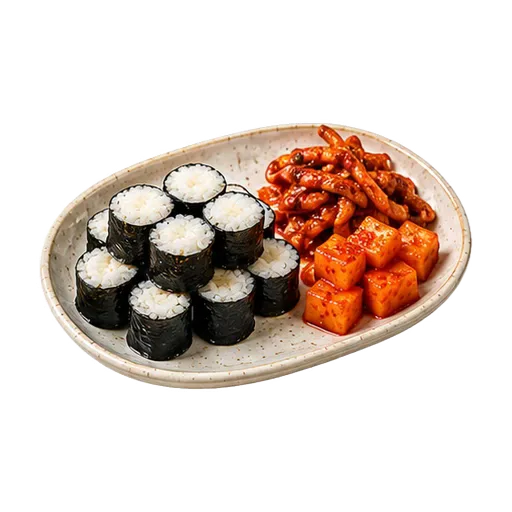
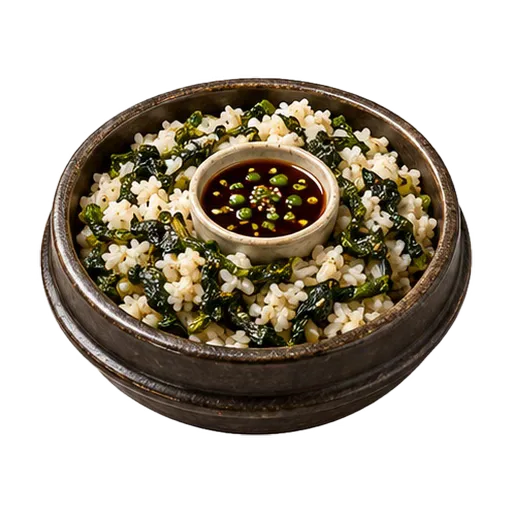
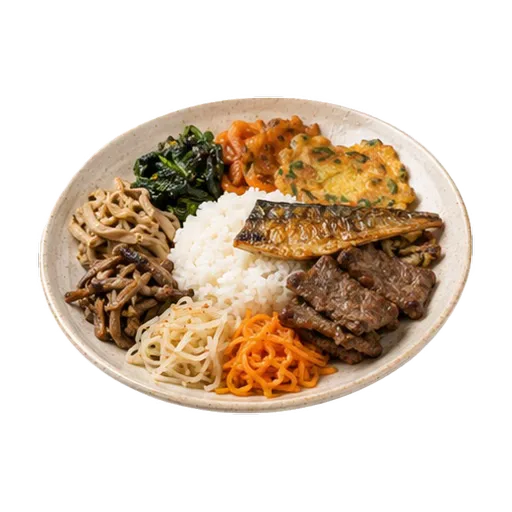
The dish originated in Andong during the Joseon Dynasty, where scholars and commoners prepared a fake jesa to enjoy the ceremonial foods. The practice of making bibimbap from leftover ritual food is recorded in Haedongjukji (1925), and the dish was sold in Daegu markets as heotjesabap; in Andong it served as a late-night snack for scholars.
Fun fact
Its name means fake ritual rice, from scholars staging mock rites to enjoy ceremonial foods.
Dish notes
- Local tradition
- Andong mock ancestral-rite meal
- Iconic spot
- Kkachi Gumeongjip, Andong
- Main ingredients
- Rice, Namul, Soy Sauce
- Texture
- Soft
- How it's served
- Warm
- Pairing
- Andong Soju
Ordering tip
It is eaten by mixing the rice with the namul and other toppings, using soy sauce (ganjang) and sesame salt for seasoning, alongside tang (soup) and side dishes.