History
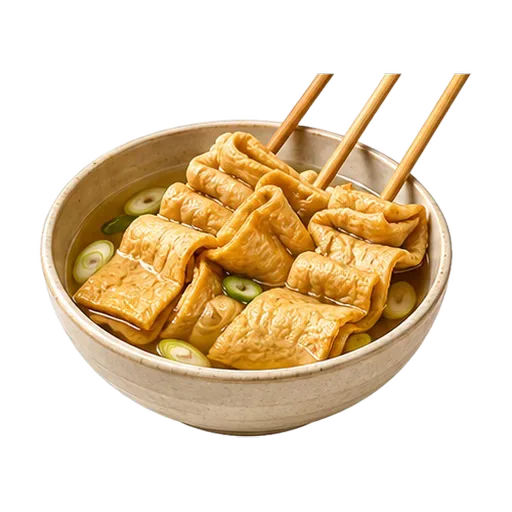
Eomuk originated in Japan as kamaboko during the Muromachi period (1336-1573). It first appeared in Korean records in the 1700s cookbook Somun Saseol. After liberation, the Japanese term was replaced with Korean names such as saengseonmuk, and eomuk later became standard.
Fun fact
The Korean term eomuk replaced the Japanese loanword odeng and the earlier name saengseonmuk.
Busan became a major eomuk production center after the Korean War due to abundant fish supply.
Dish notes
- Local tradition
- Busan street-cart winter snack
- Iconic spot
- Samjin Eomuk, Yeongdo, Busan
- Main ingredients
- Fish Paste, Flour
- Texture
- Springy
- How it's served
- Hot
- Pairing
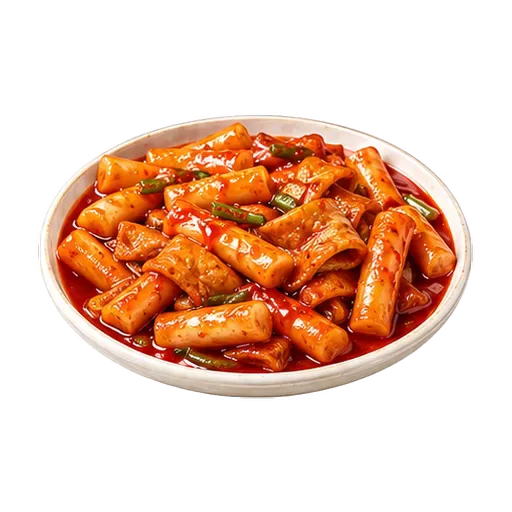
- Tteokbokki
Ordering tip
Eomuk is served in broth as eomuk-tang, braised as jorim, stir-fried as bokkeum, and used in dishes such as tteokbokki, gimbap, and jjigae.
Availability
Eomuk is a popular winter snack and a common street food in Korea.