History
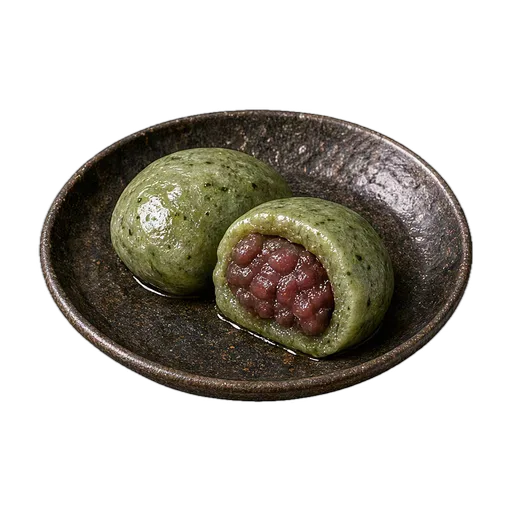
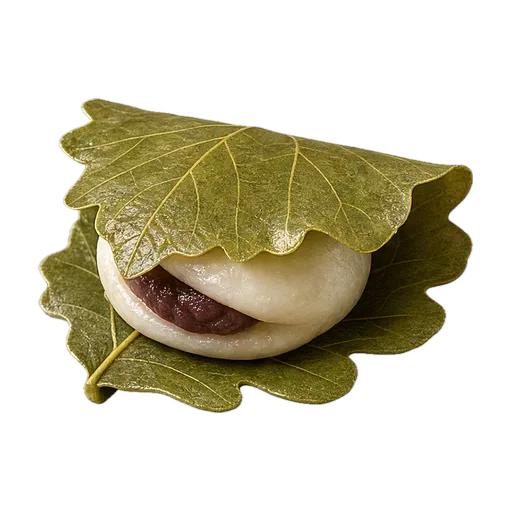
Kashiwa mochi is traditionally eaten on Tango no Sekku (Children's Day, May 5). The use of leaves that do not fall until new buds appear symbolizes the continuity of the family line. In Yamaguchi Prefecture it is known by local names such as hotendomochi, igi no ha mochi, putonmochi, and botanmochi, and was historically made for rice planting and Obon as well as Children's Day.
Fun fact
The mochi is made from joshinko and mochigomeko rice flours, then steamed between the leaves.
In Yamaguchi the same sweet carries several local names, including botanmochi and putonmochi.
Dish notes
- Local tradition
- Children's Day tradition
- Main ingredients
- Rice Cake, Bean Paste, Oak Leaf
- Texture
- Soft
- How it's served
- Wrapped
- Pairing
- Green Tea
Ordering tip
The wrapping leaves are typically not eaten and are peeled off before consuming the mochi; dusting them with potato starch or oiling them makes removal easier.