History
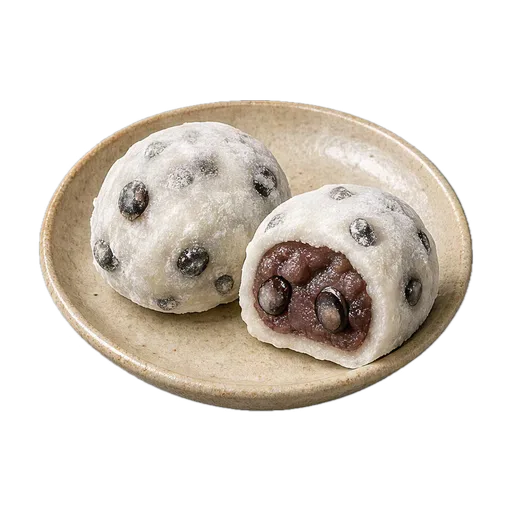
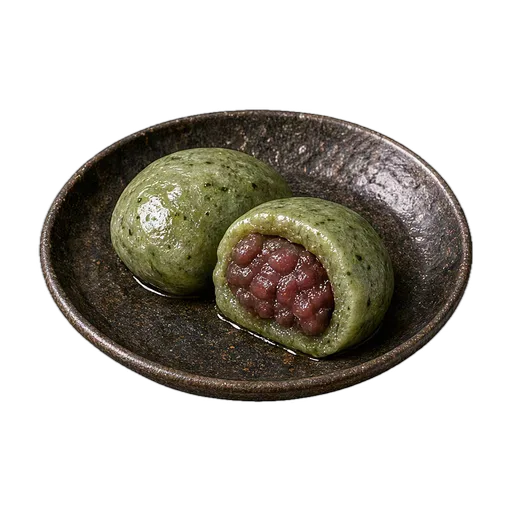
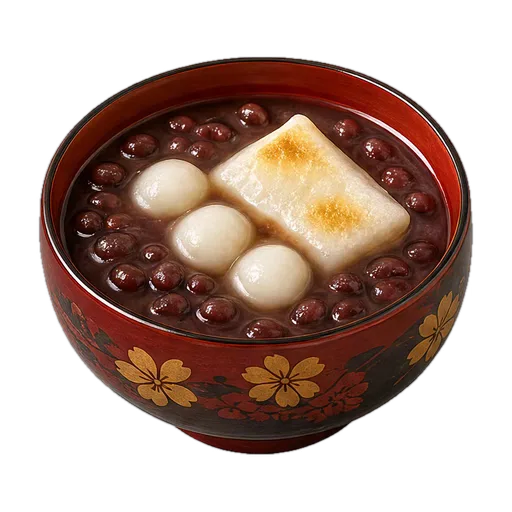
The name is written 善哉, a Buddhist term meaning 'very good' or 'excellent', and is said to have been exclaimed by a monk (traditionally Ikkyū Sōjun) upon first tasting it, though this is noted as possibly apocryphal. Azuki beans have been used in Japan since the Jōmon period, and their red color was believed to ward off evil and used in ritual offerings. A local tradition claims zenzai originated in Izumo, Shimane, where it is called jinzai, meaning 'presence of the gods'.
Fun fact
Azuki saponin was historically used as a natural cleaning agent.
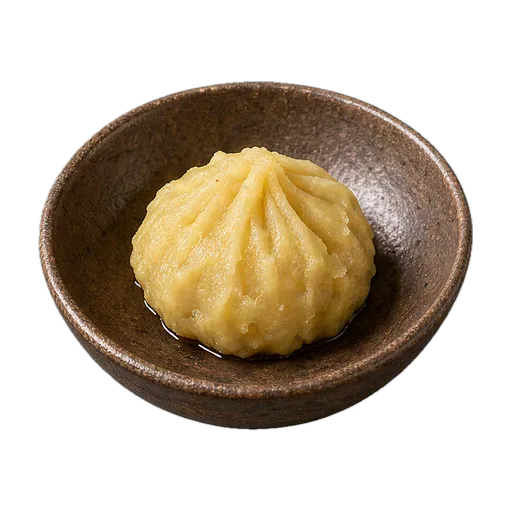
In Kansai zenzai uses tsubuan and oshiruko uses koshian, while in Kantō the terms are applied differently.
Dish notes
- Local tradition
- Winter warming sweet
- Iconic spot
- Nihon Zenzai Gakkai Ichigoten, Izumo, Shimane
- Main ingredients
- Azuki Beans, Mochi, Sugar
- Texture
- Soft
- How it's served
- Hot
- Pairing
- Salted Kombu
Ordering tip
Azuki beans are soaked overnight, boiled with the first water discarded to remove astringency, then simmered with sugar until soft; mochi or shiratama dango are added before serving.