History
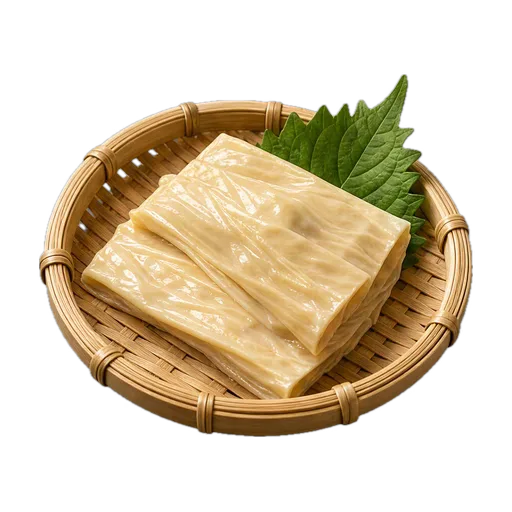
Yuba was introduced to Japan from China during the Kamakura period and was used in shōjin ryōri, prized by Zen monks as a protein source. During the Muromachi period it appeared in tea kaiseki cuisine and was favored by Sen no Rikyū, and in the late Edo period it appeared in the book 'Tōfu Hyakuchin' and became popular among commoners.
Fun fact
The wrinkled film inspired a name linked to uba, meaning old woman.
Dish notes
- Local tradition
- Kyoto and Nikkō temple food
- Iconic spot
- Nikkō, Tochigi
- Main ingredients
- Soy Milk
- Texture
- Delicate
- How it's served
- Chilled
- Pairing
- Sake
Ordering tip
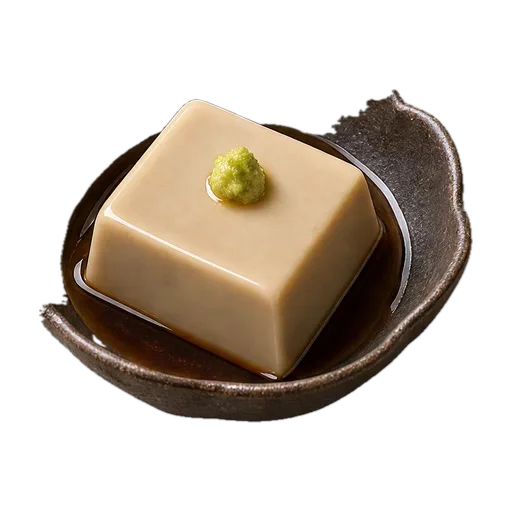
Yuba is eaten with ponzu or wasabi soy sauce, added to hot pots and miso soup, or used to wrap shrimp or fish before frying.