History
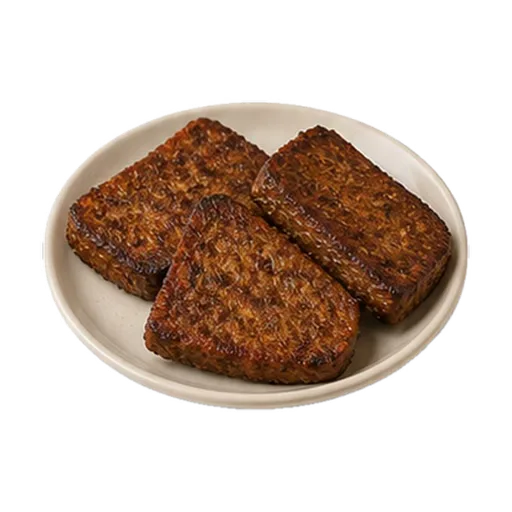
Pennsylvania Germans brought panhas, a thrifty butchering-day loaf from Germany, to colonial Pennsylvania, where New World cornmeal replaced the Old World grains. By the 1820s English speakers called the sliced-and-fried result scrapple, and producers industrialized it around Philadelphia as demand spread. The name likely blends the German panhaskroppel, a slice of panhas, with the English scrapping sense of leftovers; Delaware's Bridgeville keeps the tradition loud with its own annual festival.
Fun fact
Every edible part of the pig is boiled with cornmeal into a loaf, honoring Pennsylvania Dutch thrift.
Slices fry up crisp outside while staying soft inside, often sharing the plate with syrup.
Dish notes
- Local tradition
- Thrifty hog-butchering breakfast custom
- Main ingredients
- Pork scraps, Cornmeal, Buckwheat flour
- Texture
- Crispy
- How it's served
- Pan-fried
- Pairing
- Syrup
Ordering tip
Order it as a side at breakfast; ask for it crispy and add syrup or apple butter
Availability
Supermarket loaves and diner menus throughout Pennsylvania, Delaware, and Maryland
What defines it
- boiled pork offal and trim
- cornmeal and buckwheat binding loaf
- sliced and pan-fried before serving
How to tell it apart
- Southern Fried Chicken: Southern fried chicken is coated poultry; scrapple is a ground-pork and grain loaf sliced and fried as a breakfast side.