History
The sweet traces back to the Chinese Han dynasty confection hangu, which was introduced to Korea and developed during the Goryeo period. Joseon-era texts including Seonghosaseol and Dongguksegi document its history.
Fun fact
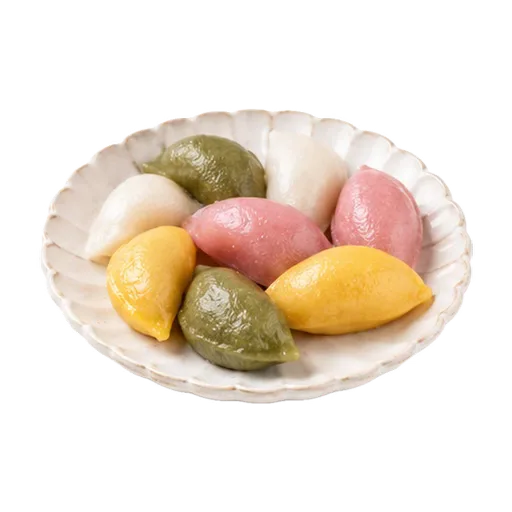
This is also called gyeonbyeong because its shape resembles a silkworm cocoon.
The confection is traditionally served at ancestral rites, weddings, and major holidays such as Seollal and Jeongwol Daeboreum.
Dish notes
- Local tradition
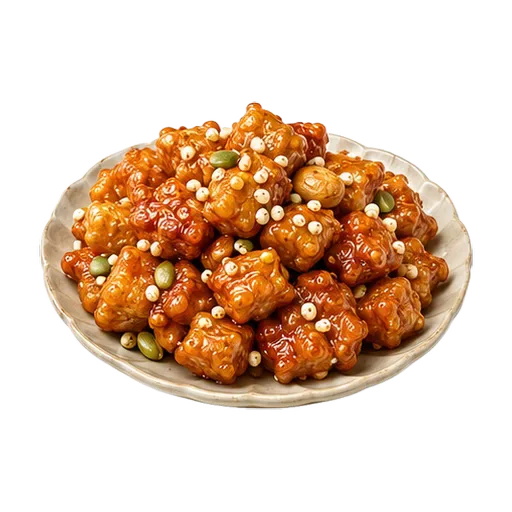
- Holiday hangwa confection
- Iconic spot
- Galgol Hangwa Village, Gangneung
- Main ingredients
- Sticky Rice, Syrup, Seeds
- Texture
- Crispy
- How it's served
- Room Temperature
- Pairing
- Sujeonggwa