History
Pit-cooked pig was communal celebration food in colonial North Carolina, and by the 1800s whole-hog cooking anchored political rallies and church suppers. Eastern Carolina kept the whole hog and thin vinegar-pepper sauce, while western parts of the state moved to pork shoulders and tomato-based sauce, a divide that persists today.
Fun fact
Eastern Carolina chops the whole pig skin-on; the West uses shoulders and tomato sauce.
The word barbecue traces to the Taino barbacoa via Spanish observers.
Dish notes
- Local tradition
- Pit-cooked church supper and rally food
- Main ingredients
- Whole hog, Vinegar, Black pepper
- Texture
- Tender
- How it's served
- Chopped hot
Ordering tip
Ask whether today's cook is whole hog before ordering
Availability
True whole-pit whole-hog cooks are now scarce; most serve by plate lunch or weekend event
What defines it
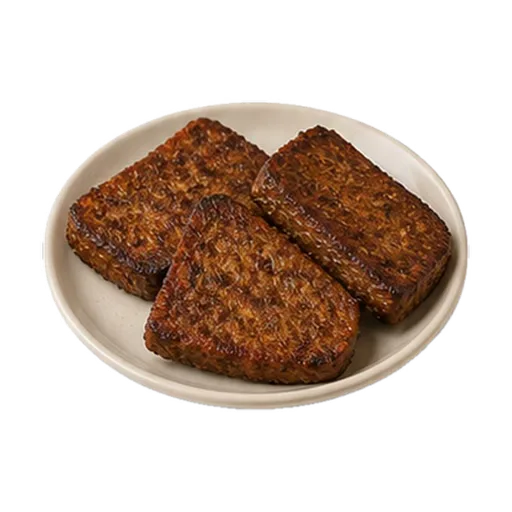
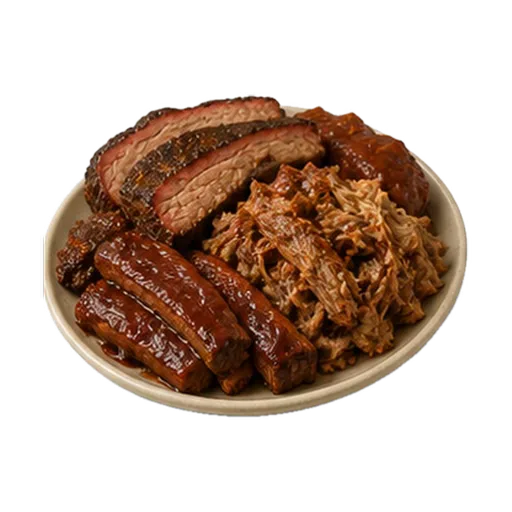
- entire pig cooked over wood coals
- skin-on chopping
- thin vinegar-and-pepper sauce