History
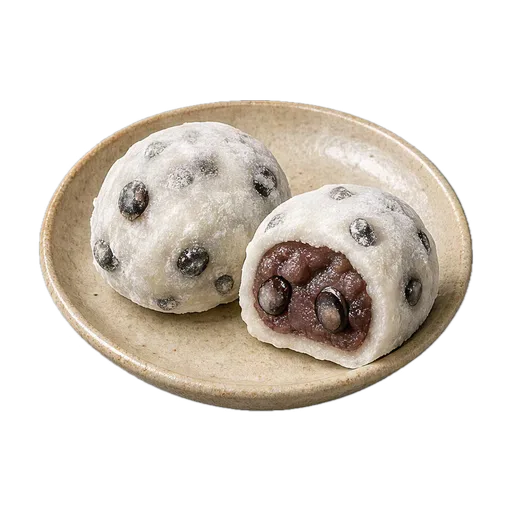
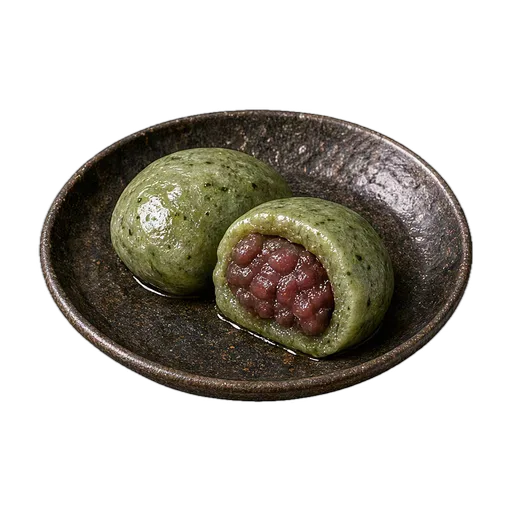
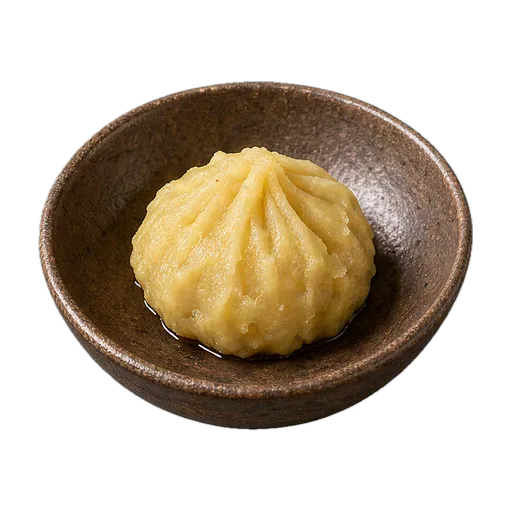
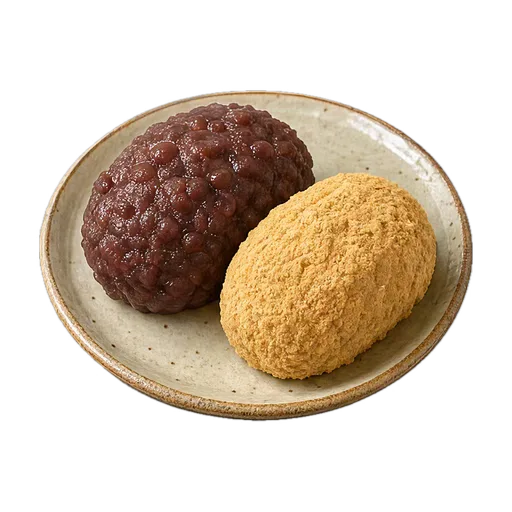
Ohagi is traditionally eaten during the spring and autumn equinoctial weeks (higan). The red color of azuki was believed to ward off evil, and the sweet was offered to ancestors as an expression of gratitude. It has been documented since at least the Edo period, when it was nicknamed tonari shirazu because it is made without the pounding sound of mochi.
Fun fact
Spring's version is botamochi after peonies; autumn's is ohagi after bush clover.
Kyoto's Tanba Dainagon azuki is prized for its large size, sweetness, and resistance to splitting during cooking.
Dish notes
- Local tradition
- Equinox offering for ancestors
- Iconic spot
- Takeno to Ohagi, Sakurashinmachi, Tokyo
- Main ingredients
- Sticky Rice, Bean Paste
- Texture
- Sticky
- How it's served
- Room Temperature
- Pairing
- Green Tea
Ordering tip
When anko is on the outside, it is spread on plastic wrap, the rice ball is placed on top, and the wrap is folded around it to coat.