History
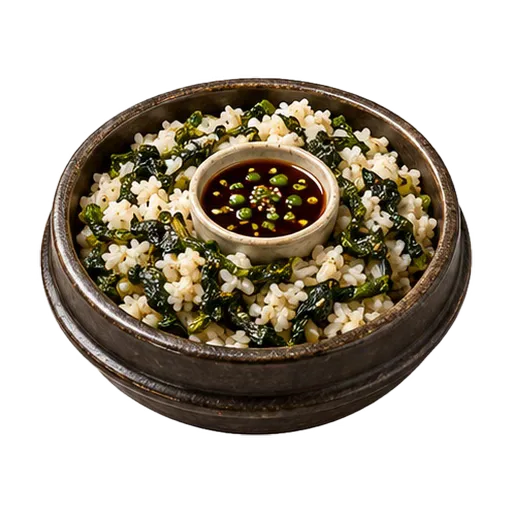
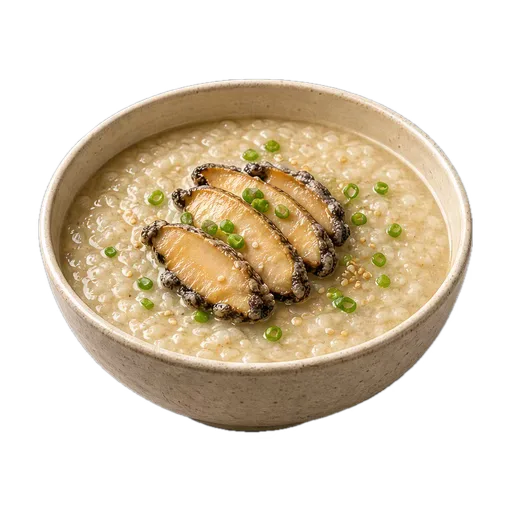
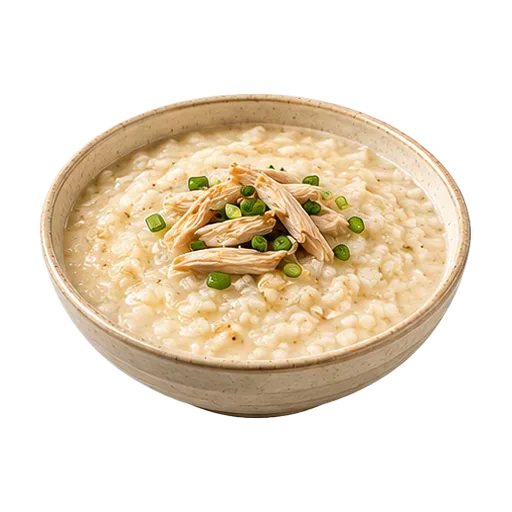
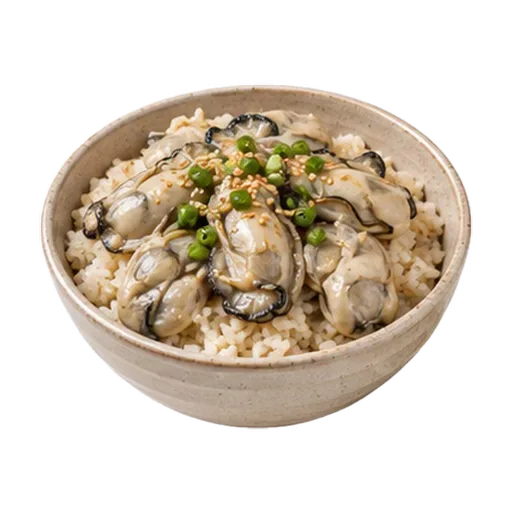
Oysters have been consumed in Korea since the Neolithic period, but there is no historical record of gulbap in pre-modern cookbooks. Only raw oysters and oyster porridge are documented.
Fun fact
Pre-modern cookbooks record raw oysters and oyster porridge, but not this rice dish.
Gulbap is rich in iron, copper, calcium, and vitamin A, nutrients not found in plain rice.
Dish notes
- Local tradition
- Winter oyster-season dish
- Iconic spot
- Gul Madang, Tongyeong, South Gyeongsang
- Main ingredients
- Oysters, Rice, Soy Sauce
- Texture
- Soft
- How it's served
- Hot
- Pairing
- Kimchi
Ordering tip
In Tongyeong, gulbap is served with sesame oil, seaweed powder, and sea squirt jeotgal for mixing.
Availability
Gulbap is enjoyed as a special dish in the Seoul and Gyeonggi region and is also served in Tongyeong.