History
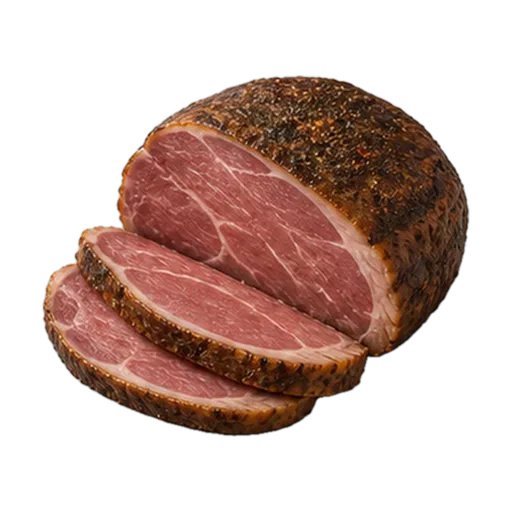
Commercial cured Smithfield ham appears in records as early as a 1779 receipt in the Caribbean. A 1926 Virginia statute defined Genuine Smithfield ham as dry salt-cured, smoked, and aged at least six months entirely within the town of Smithfield. Production of Genuine Smithfield ham stopped in early 2024 amid reduced demand, while other Virginia and Southern country hams continue the broader tradition.
Fun fact
A museum in Smithfield preserves a 'pet ham' cured in 1902, called the world's oldest edible ham.
Virginia law long required genuine Smithfield hams to be cured wholly within the town limits.
Dish notes
- Local tradition
- Salt-cured Southern breakfast heritage
- Main ingredients
- Dry-cured ham, Salt, Smoke
- Texture
- Firm
- How it's served
- Thin-sliced
Ordering tip
Serve thin-sliced with biscuits or fried with red-eye gravy; expect serious saltiness and slice sparingly
Availability
Specialty butchers and Virginia tables year-round; Genuine Smithfield-brand production ended in early 2024, so provenance now varies
What defines it
- long dry salt cure
- hardwood smoking
- months-long aging