History
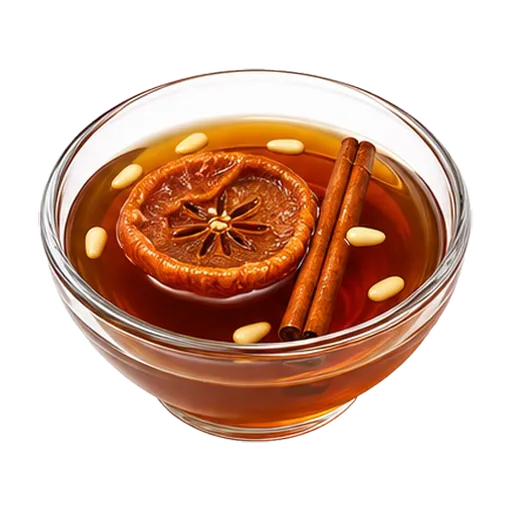
The earliest known record of sujeonggwa appears in the 1765 document Sujak Uigwe from the 41st year of King Yeongjo's reign; later records show the recipe evolved to its modern form by the 19th century.
Fun fact
Its name means water-preserved fruit, distinguishing the drink from dry confections.
Ginger and cinnamon are believed to warm the body and aid digestion, and sujeonggwa was also used as a hangover remedy.
Dish notes
- Local tradition
- Traditional holiday punch
- Iconic spot
- Insa-dong, Jongno, Seoul
- Main ingredients
- Dried Persimmons, Cinnamon, Ginger
- Texture
- Silky · Tender
- How it's served
- Chilled
- Pairing
- Hangwa
Availability
It is served cold, traditionally from late autumn when persimmons are dried until early spring, and is a staple for entertaining New Year's guests.