History
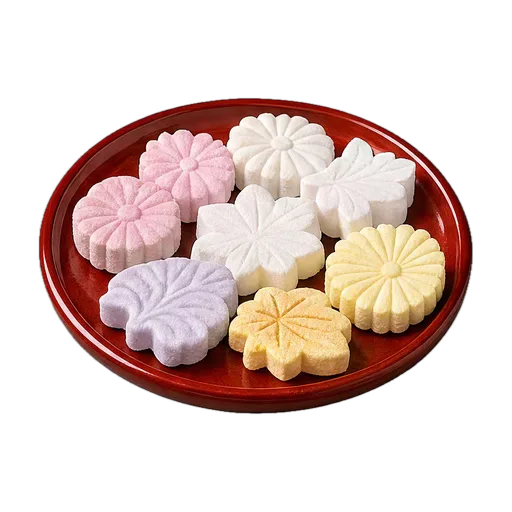
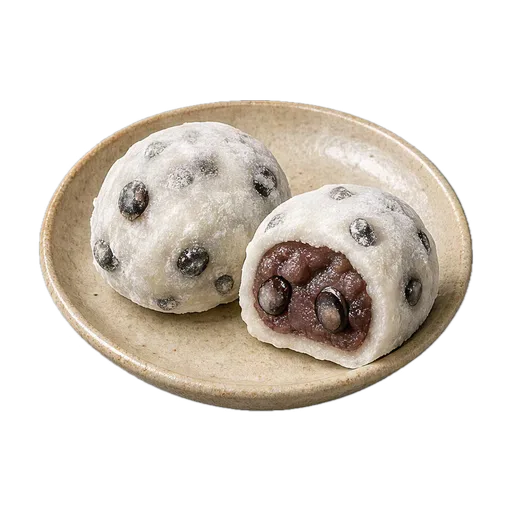
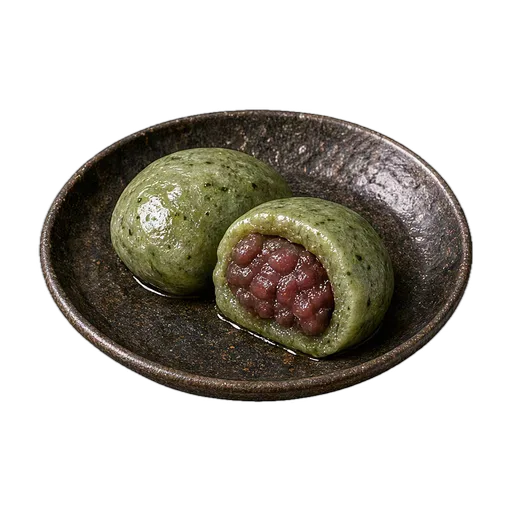
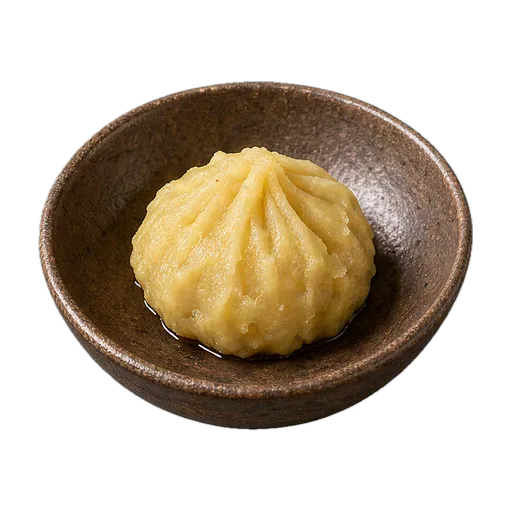
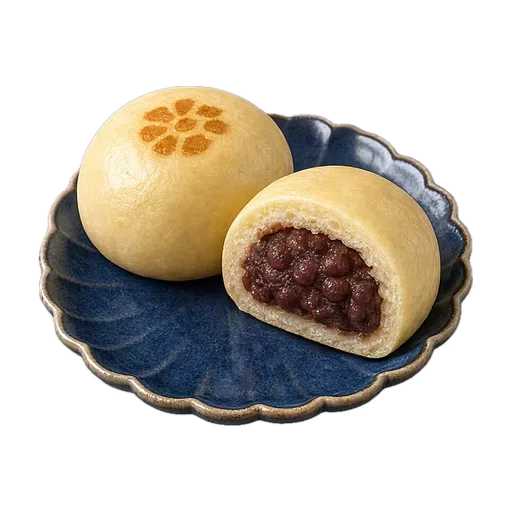
Manju originated in China, with a legend attributing its invention to Zhuge Liang. It was introduced to Japan in the 14th century by Lin Jōin, who replaced the meat filling with sweet azuki bean paste to suit Buddhist vegetarian practices. Another tradition holds that the monk Enni brought it to Hakata in 1241. The Japanese sweet manju was first made in Nara by Lin Jōin in the 14th century.
Fun fact
The name manju derives from the Chinese mantou, originally meaning barbarian's head.
Dish notes
- Local tradition
- Everyday wagashi since Muromachi era
- Iconic spot
- Shiose Sohonke, Nihonbashi, Tokyo
- Main ingredients
- Flour, Bean Paste, Sugar
- Texture
- Soft
- How it's served
- Steamed
- Pairing
- Green Tea