History
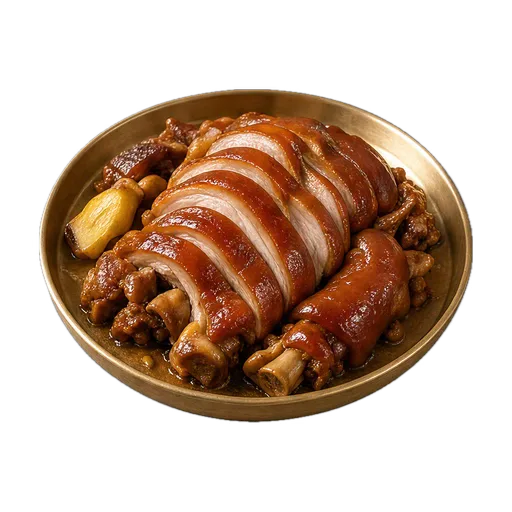
Jokbal was commercialized in 1959 by North Korean refugees in Jangchung-dong, Seoul, who adapted dishes from their hometowns, particularly Hwanghae-do's pork leg stew (dwaeji-jok-jorim). Some sources suggest a possible origin from Chinese jangyuk (braised pork) due to similarities in cooking method and taste, though the North Korean refugee origin is more widely documented.
Fun fact
The name combines the Sino-Korean 'jok' (足, foot) and the native Korean 'bal' (foot).
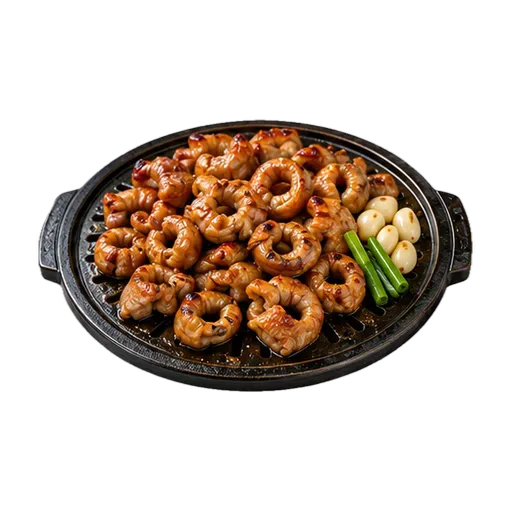
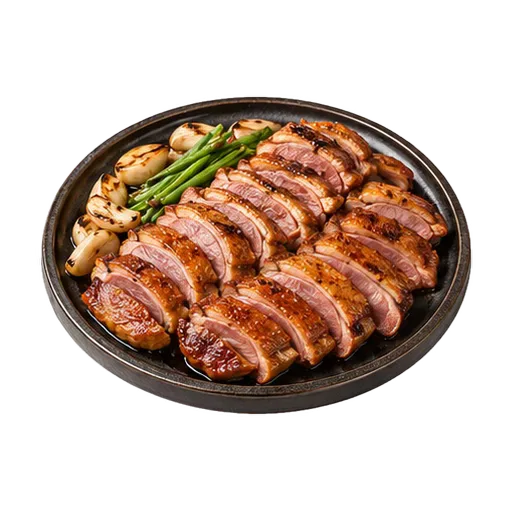
Variations include spicy buljokbal, cold vegetable jokbal, and grilled jokbal.
Dish notes
- Local tradition
- Late-night delivery favorite
- Iconic spot
- Jokbal Alley, Jangchung-dong, Seoul
- Main ingredients
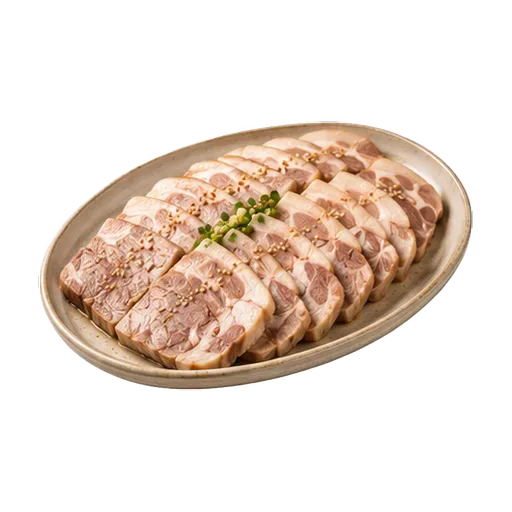
- Pig Trotters, Soy Braise, Ginger
- Texture
- Gelatinous
- How it's served
- Warm
- Pairing
- Soju
Ordering tip
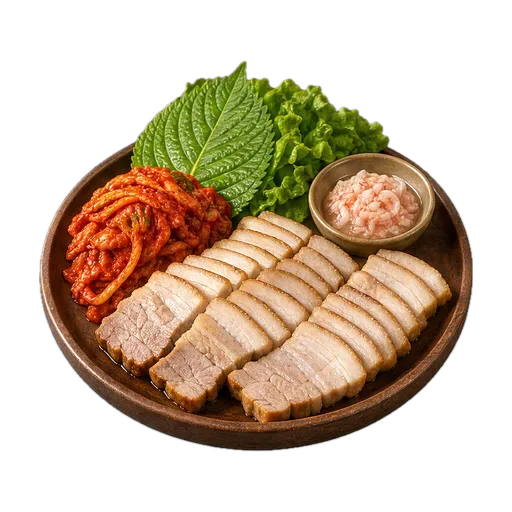
It is typically served with salted shrimp (saeujeot), lettuce wraps, and sometimes cold buckwheat noodles (makguksu).
Availability
It is a popular late-night snack and drinking accompaniment.