History
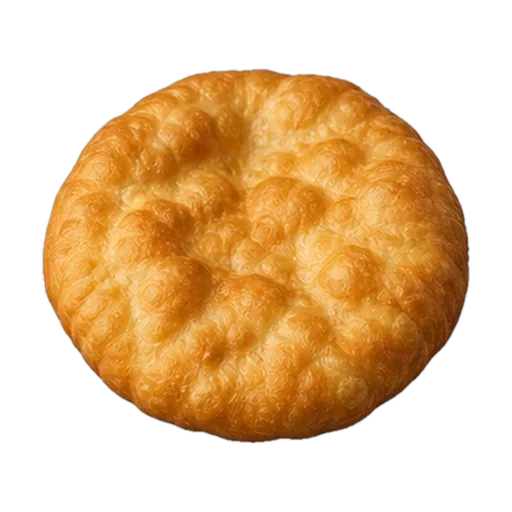
Fry bread emerged when forced relocations, including the Navajo Long Walk of the 1860s, left Native communities dependent on government-issue flour, sugar, and lard. Boarding schools and intertribal powwows spread the bread across many nations. South Dakota named it the official state bread in 2005, the same year prominent Native voices publicly challenged celebrating a food tied to displacement and diet-related illness.
Fun fact
Ration flour, sugar, and lard became its core ingredients after forced relocation onto barren land.
Powwow fry-bread competitions thrive even as some Native chefs publicly reject the bread.
Dish notes
- Local tradition
- Powwow staple with contested legacy
- Main ingredients
- Wheat flour, Lard, Sugar
- Texture
- Crispy
- How it's served
- Warm
Ordering tip
Try it plain at a powwow stand, or as the wrap for a loaded Indian taco where offered
Availability
Powwows, tribal fairs, and Native-owned stands nationwide; named South Dakota's official state bread in 2005
What defines it
- flat dough fried in lard or oil
- government-ration ingredient origins
- pan-Native American distribution
How to tell it apart
- Coffin Bread: Taiwanese coffin bread is a thick-sliced deep-fried bun hollowed and filled like soup bread bowl; fry bread is a thin flat dough fried whole and topped or eaten plain.